
Поиск тура или отеля
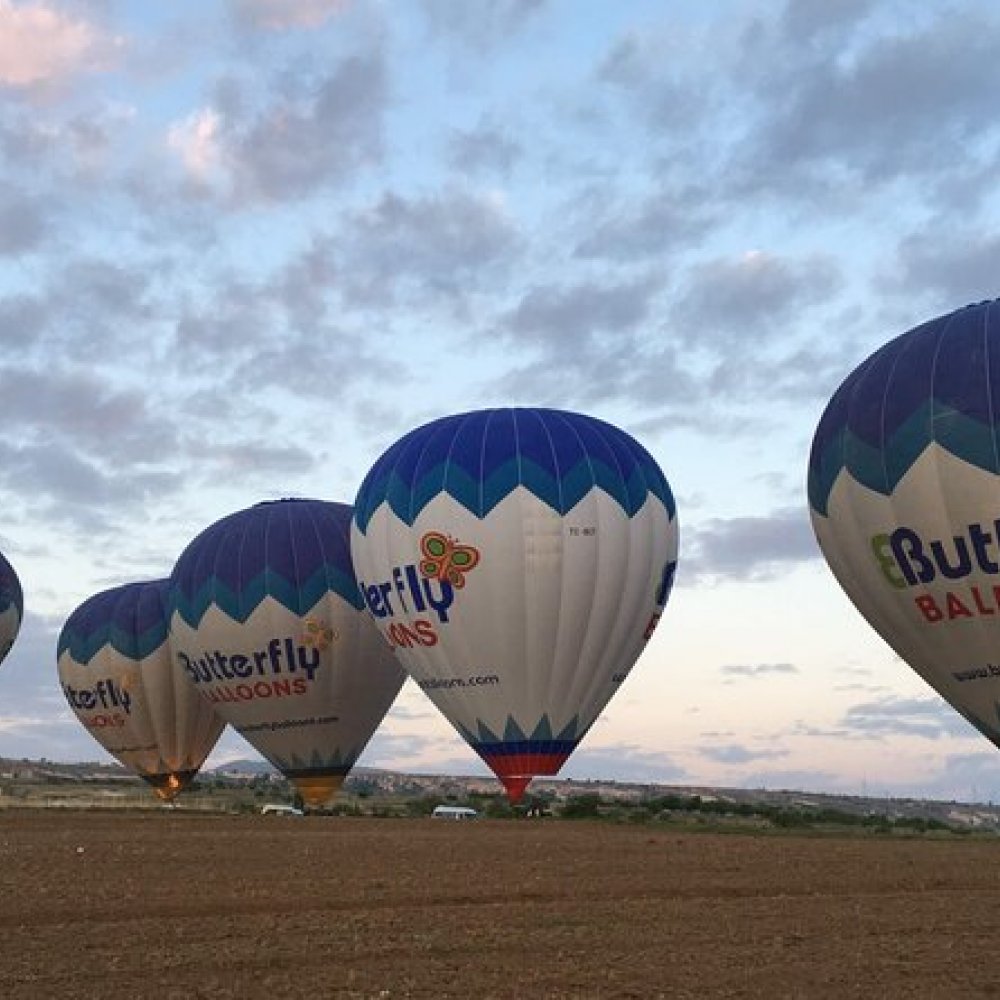
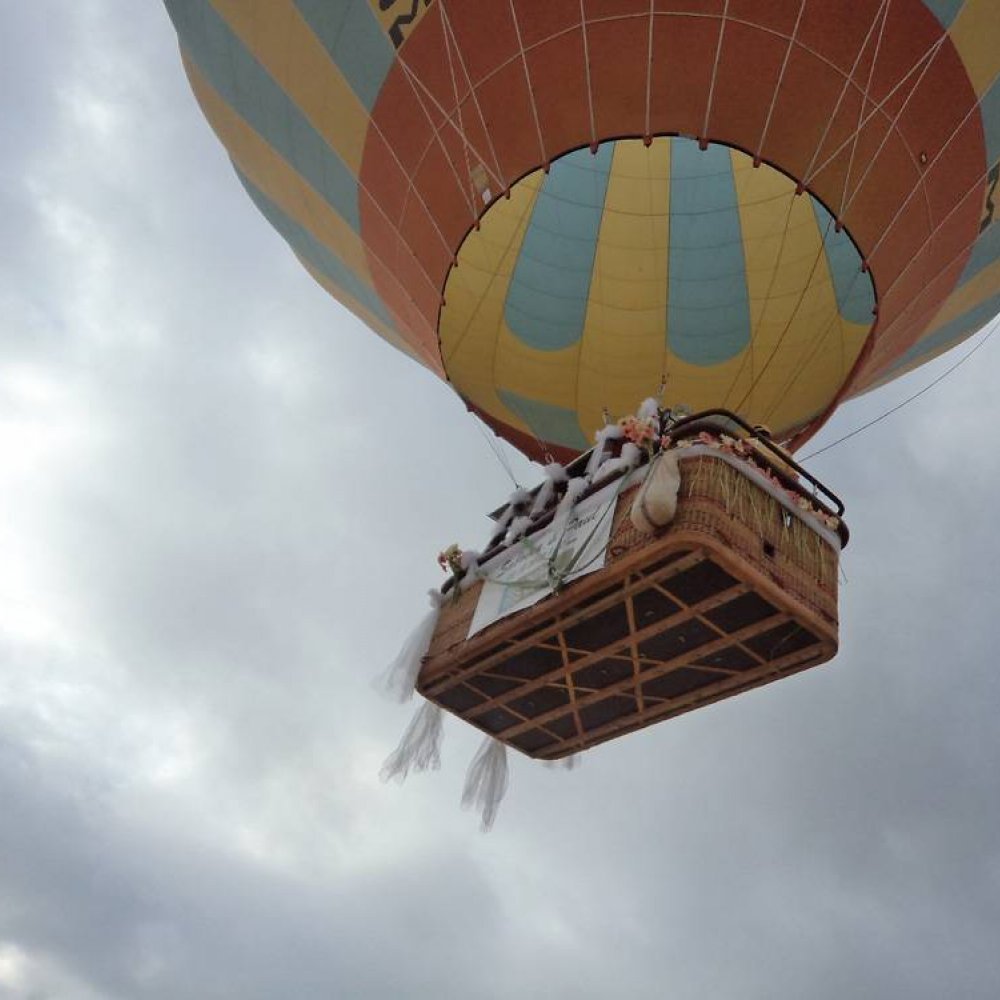
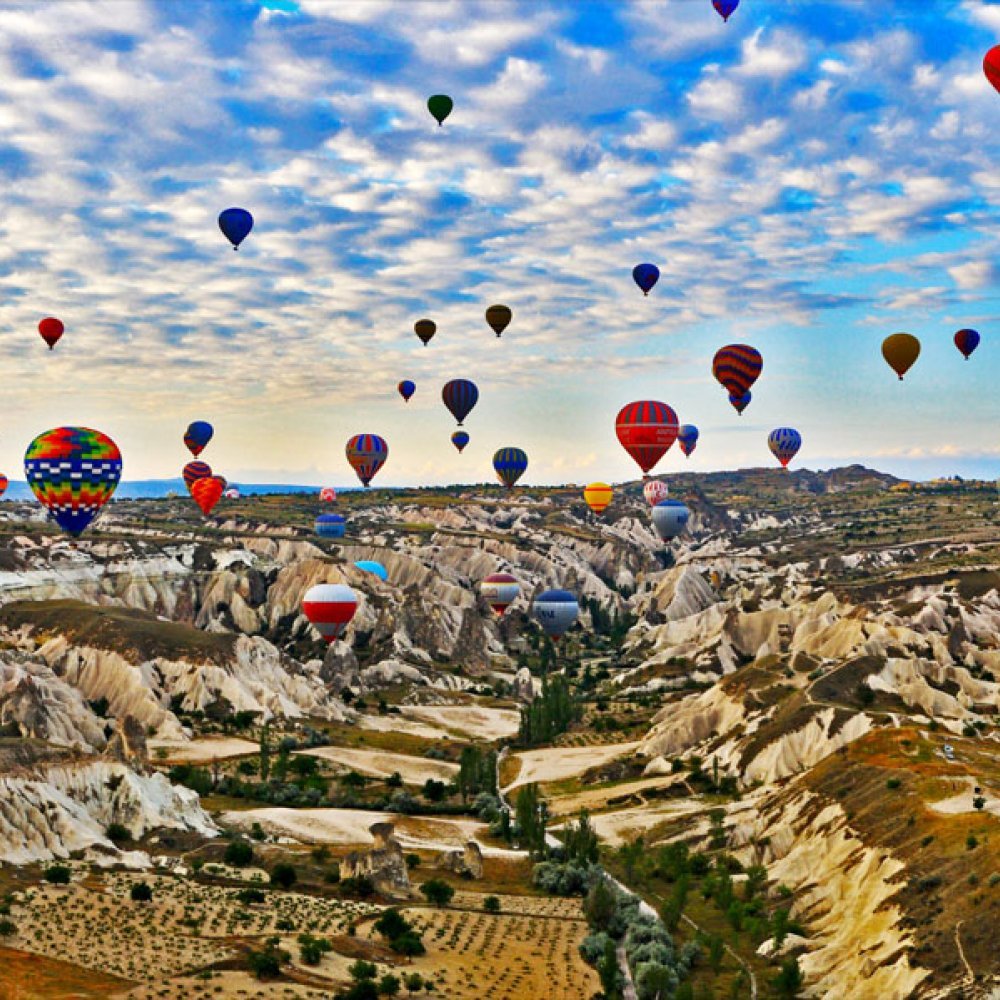
Полёт на воздушном шаре над сказочными дымоходами Каппадокии
-
Узнать подробнееВсе бронирования
-
Поддержка 24/7Звоните в любое время
-
БезопасноБезопасное бронирование
-
Горящие предложенияПредложения со скидкой до 40%
ТУР НА ВОЗДУШНОМ ШАРЕ
- Бесплатный трансфер
- Трансфер из отеля и обратно в регионе Каппадокии
- Продолжительность тура на воздушном шаре: 1 час полёта
- продолжительность активности 3 часа
- Страховка полёта в корзине включена в стоимость
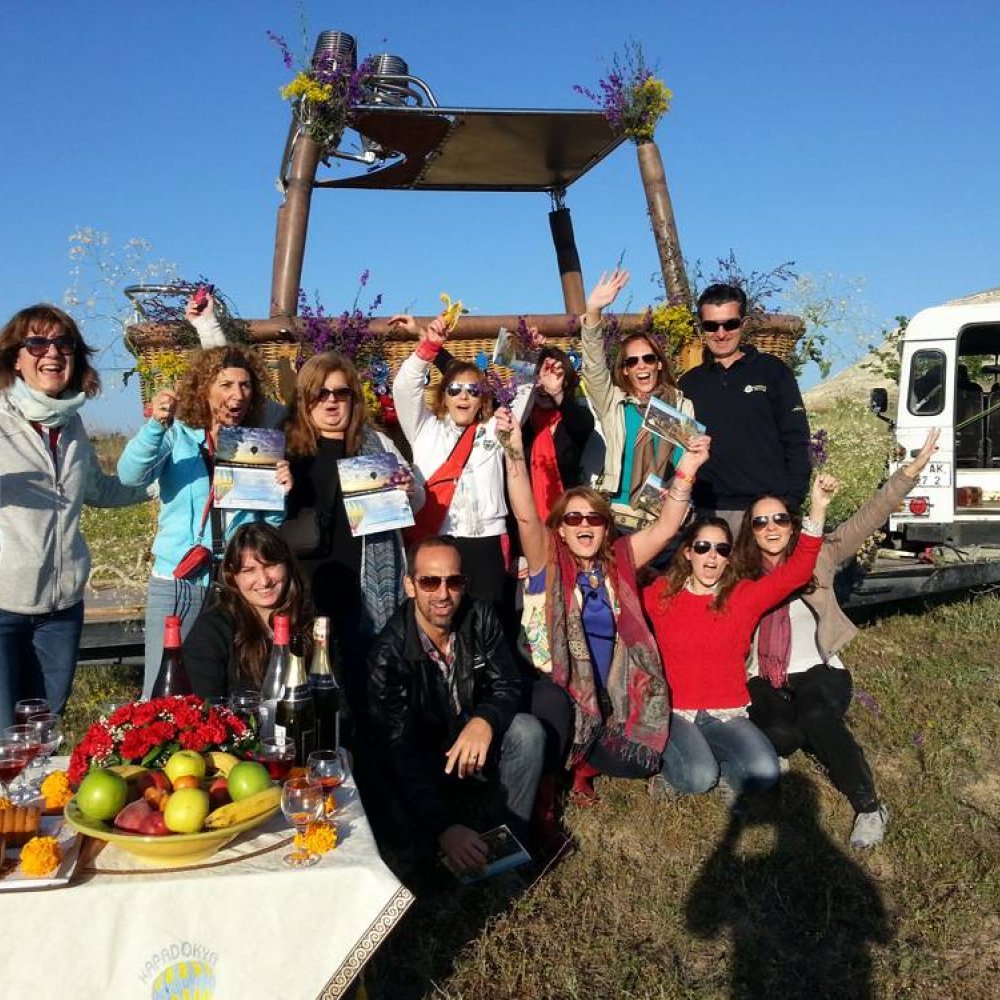
- Празднование после полёта: безалкогольное шампанское, сок, торт
- Ваш пилот выдаст сертификат о полёте
- Время трансфера из отеля / в отель: утро; 4:30 - 7:30. За 1 день до полёта мы сообщим время трансфера из вашего отеля в зависимости от его расположения.
- Дети от 6 лет и старше могут летать
- Процесс бронирования: после предоплаты ваше место будет подтверждено.
- Примечание: полёты зависят от погодных условий, проводятся один раз в день на рассвете
- Полёты на воздушном шаре проводятся ежедневно на рассвете, если позволяют погодные условия. (Днём, особенно зимой, они проводятся редко)
- Цены указаны за человека. Стоимость места в корзине воздушного шара стандартная, цена для студентов и детей не меняется.
- Дети младше 6 лет не могут участвовать в полёте на воздушном шаре.
Полёт на воздушном шаре над сказочными дымоходами Каппадокии
Cappadocia, the world's best place for a hot air balloon tour, is located in Central Anatolia. The region has its own historical and cultural heritage. During our trip to Cappadocia, we visited many cities that were once inhabited by Christians who had fled from Roman persecution during the 4th century AD. These underground cities are called "Cappadocian Cave Churches".
Живописные долины Каппадокии в Центральной Анатолии расположены на высоте от 1050 до 1300 метров над уровнем моря.
You will find the beautiful valleys of Cappadocia in Central Anatolia, which vary from 1050 to 1300 meters above sea level. The weather is temperate with hot summers and somewhat mild winters. There are around 250 people living in the area, many of them farmers or shepherds who still use their traditional methods for harvesting wheat and barley by hand in order to keep their identity as an indigenous community. The landscape is mostly made up of soft hills, but there are also some flat areas where you can see old abandoned houses called "cave dwellings", carved into rocks by people thousands of years ago. The local fauna includes foxes and jackals that live in holes that were once inhabited by humans as well as wild boars that roam freely through these ancient lands
Каппадокия — уникальный и впечатляющий регион Турции, полный удивительных достопримечательностей и богатого культурного наследия.
Каппадокия — уникальный и впечатляющий регион Турции, полный удивительных достопримечательностей и богатого культурного наследия.
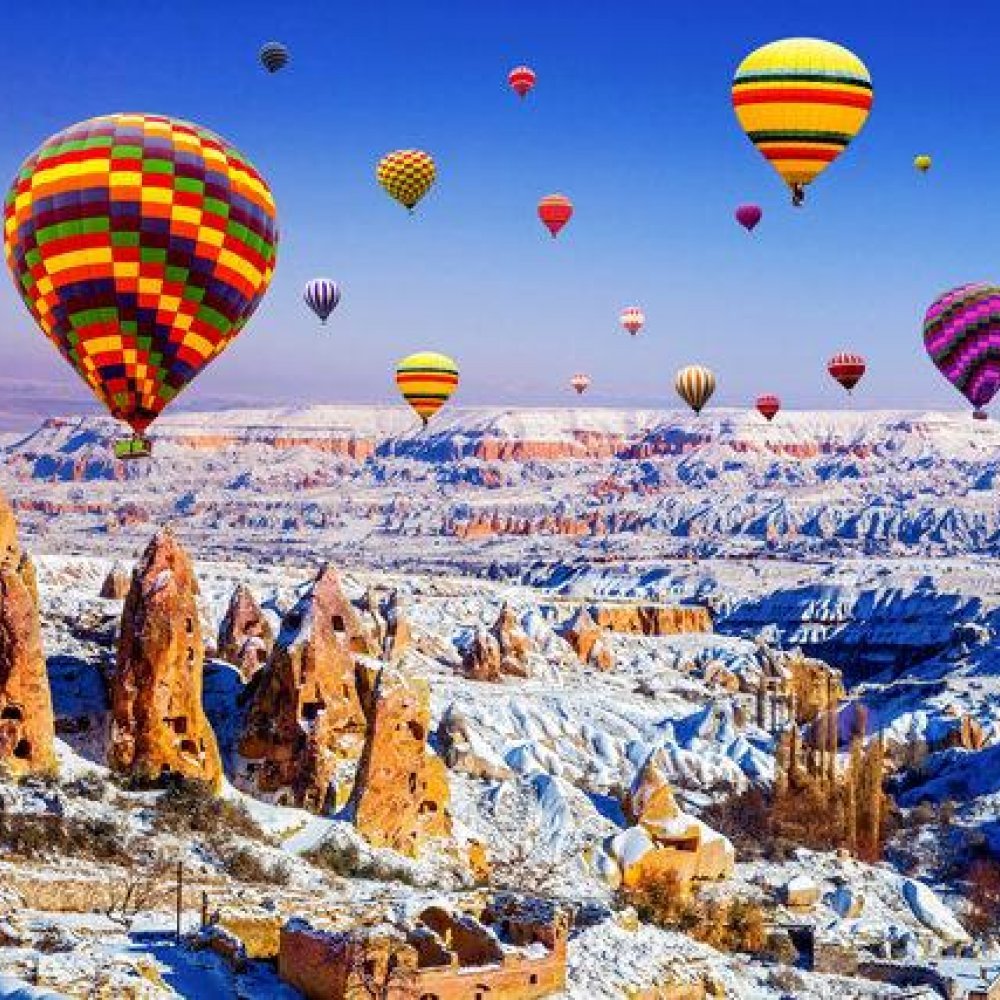
Это древний регион в центральной Анатолии, наиболее известный необычными геологическими образованиями — сказочными дымоходами — и подземными городами. В регионе также много церквей, монастырей и скальных жилищ, высеченных в мягкой породе склонов первыми христианами, скрывавшимися здесь от преследований во времена Римской империи.
Во время полёта на воздушном шаре вы пролетите над этими удивительными пейзажами с несколькими остановками для фото! Это поистине одно из тех впечатлений, что бывают раз в жизни, — не упустите его!
Можно заметить, что ландшафт Каппадокии был создан самой природой в результате множества извержений.
Cappadocia is a region in central Turkey where one can observe that the landscape of Cappadocia with the help of Mother Nature has been created through many eruptions. Volcanic eruptions, erosion caused by wind, rain and soil erosion as well as sedimentation have changed this unique landscape into what we see today. Wind erosion is a weathering process that occurs when particles within an air flow collide with solid surfaces like rocks or soil particles at high speeds causing them to erode away gradually over time if there are no barriers present that would prevent this from happening in certain areas such as sand dunes - which will build up but eventually be blown away too!
Rainwater can also cause erosion due to its ability to wash away loose material such as sand grains while ice melts during warm seasons leaving behind exposed bedrock underneath so there will always be some type of natural forces at play which shape any given environment according to their own criteria when left alone long enough without interference from humans or other living creatures (except maybe insects!).
Изначально хетты называли этот регион «Катпатука», что означает «страна прекрасных лошадей».
Хетты называли этот регион «Катпатука», что означает «страна прекрасных лошадей».
Это уникальный и впечатляющий регион Турции, полный удивительных достопримечательностей и богатого культурного наследия.
Первое упоминание о Каппадокии встречается в письме хеттского царя Муваталли II царю Тудхалии III (Суппилулиуме II).
Первое упоминание о Каппадокии встречается в письме хеттского царя Муваталли II к
Царь Тудхалия III (Суппилулиума II). В этом письме Муваталли пишет о климате и природных ресурсах страны.
В персидско-арамейских надписях название «Катпатука» упоминалось как «Капудукая».
В персидско-арамейских надписях название «Катпатука» встречалось как «Капудукая». Слово «каппадокийский» происходит от греческого слова Kappadokia, что означает «Страна прекрасных лошадей».
Считается, что название происходит от легенды о человеке по имени Каппадокос, который жил здесь и имел двух крылатых дочерей. Они летали вокруг и прекрасно пели, словно ангелы. В одних версиях легенды они были феями или духами, помогавшими нуждающимся; в других — ведьмами, приносившими болезни и смерть окружающим.
Согласно некоторым теориям, название произошло от этого слова.
Согласно некоторым теориям, название произошло от этого слова. Название используется со времён Османской империи. Согласно некоторым теориям, название произошло от этого слова. Название используется со времён Османской империи.
Некоторые географы считают, что «Каппадокия» происходит от выражения «земля над землёй», а другие — от «земля за горами Тавр».
Some geographers believe that “Kapadokya” is derived from “the land above earth”, while others believe that it is derived from “the land beyond the Taurus Mountains”. During the first centuries AD, this area was ruled by the Hittite Empire. In 676 BC, Kapadokya was conquered by the Lydian king Sadyattes. Later on, after Alexander III's conquest of Asia Minor and Pamphylia in 334 BC, Cappadocia became part of Europe's Hellenistic empire. In 42 BC, Herodotus stated that all horses born in this region were trained at birth to move backwards to make use of a type of reverse gear when moving uphill on hillsides with an incline steeper than 30 degrees (i.e., a standard gradient for trolley cars). The claim has been dismissed by modern researchers as false because no such evidence exists; however some still think that it may be possible based on anecdotal evidence from travelers who have visited this region's villages--which often overlooked such attempts due to their lacklustre nature compared with other more interesting sights found elsewhere throughout Turkey's Anatolian region."
Первые христиане, прибывшие в Каппадокию, обнаружили, что вулканические горы и скалы обеспечивают надёжную защиту от врагов.
The first Christians who arrived in Cappadocia found out that there were volcanic mountains and rocks providing great protection against their enemies. They occupied these areas, while they were being persecuted by the Romans. These Christians were forced to live in caves because they had no other place to go, but they survived by eating wild plants and animals. These Christians made their homes underground so that their enemies could not find them easily. There are many underground cities in Cappadocia today; some of them have been destroyed but others are still standing strong after thousands of years!
Чтобы спастись, они начали рыть подземные города и прятаться в них.
The underground cities were used for many purposes. They were built to protect the people from their enemies, as well as churches and storage areas. These subterranean structures served as homes for the people living there, but they also had other uses too. Some people would use them to hide when there was danger outside of their city and others would stay in them while they were sleeping or resting during the day.
Полёт на воздушном шаре может стать незабываемым событием в вашей жизни.
Совершите полёт на воздушном шаре над «сказочными дымоходами» Каппадокии в Турции. Это незабываемое впечатление на всю жизнь.
- Взгляните на пейзаж с другой точки зрения.
- Остановитесь в отеле с видом на «волшебные дымоходы» и другие красоты Каппадокии, Турция.
- Попробуйте местную кухню и купите сувениры.
- Посетите исторические места, такие как подземные города и высеченные в скалах церкви, созданные ранними христианами, спасавшимися от преследований римлян!
Полёт на воздушном шаре над сказочными дымоходами Каппадокии
Если вы хотите совершить лучший полёт на воздушном шаре в Каппадокии, свяжитесь с нами!
-
 Amazing experience! Flight was delayed for an hour but tour managed to coordinate with my airport transfer for a seamless experience!
-
 Good experience but they didn’t fly over city and moreover they took off after sun rise so it diluted our experience. We were expecting to see the sun rise from balloon and wish to watch Pre sunrise and post sun rise view from Balloon. So overall ok ok experience.
-
 It was great experience with hot air balloon tour. Nice hospitality and very well managed
-
 Everything was timely and perfect. The flight was excellent. I will definitely recommend my friends.
-
 The balloon ride was smooth, view awesome and great experience. The ride was worth every penny.
-
The team was awesome. Pick up was good and the ride itself was amazing! Would recommend
-
Our ride got cancelled due to bad weather. The team is very responsive.
-
 Потрясающие впечатления: в небе больше 200 воздушных шаров
-
Потрясающие впечатления! Мы очень довольны.
-
 Хорошее мероприятие. Цена доступная.
-
 Хороший опыт. Персонал был приветливым.
-
 Хорошо организовано. Гид был очень знающим.
-
 Потрясающие впечатления! Мы очень довольны.
-
 Отлично! Всё было прекрасно.