Buscar tour u hotel
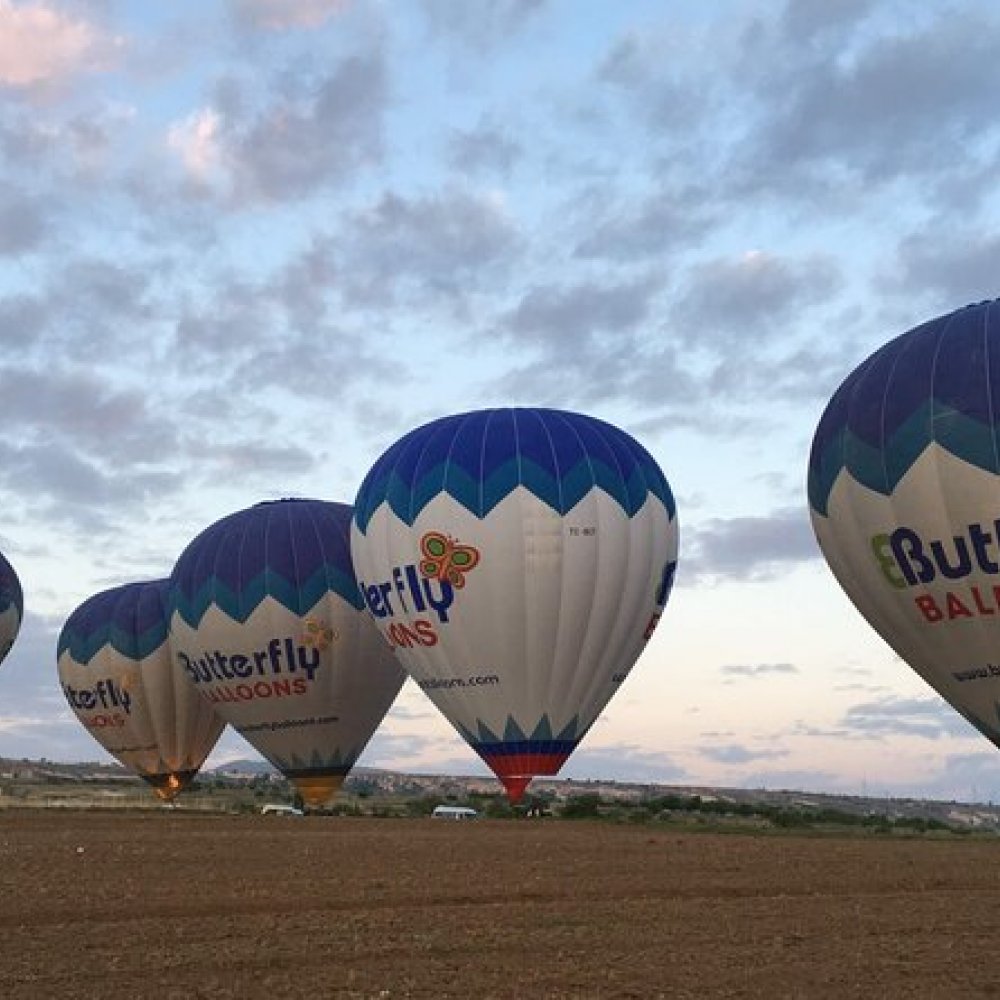
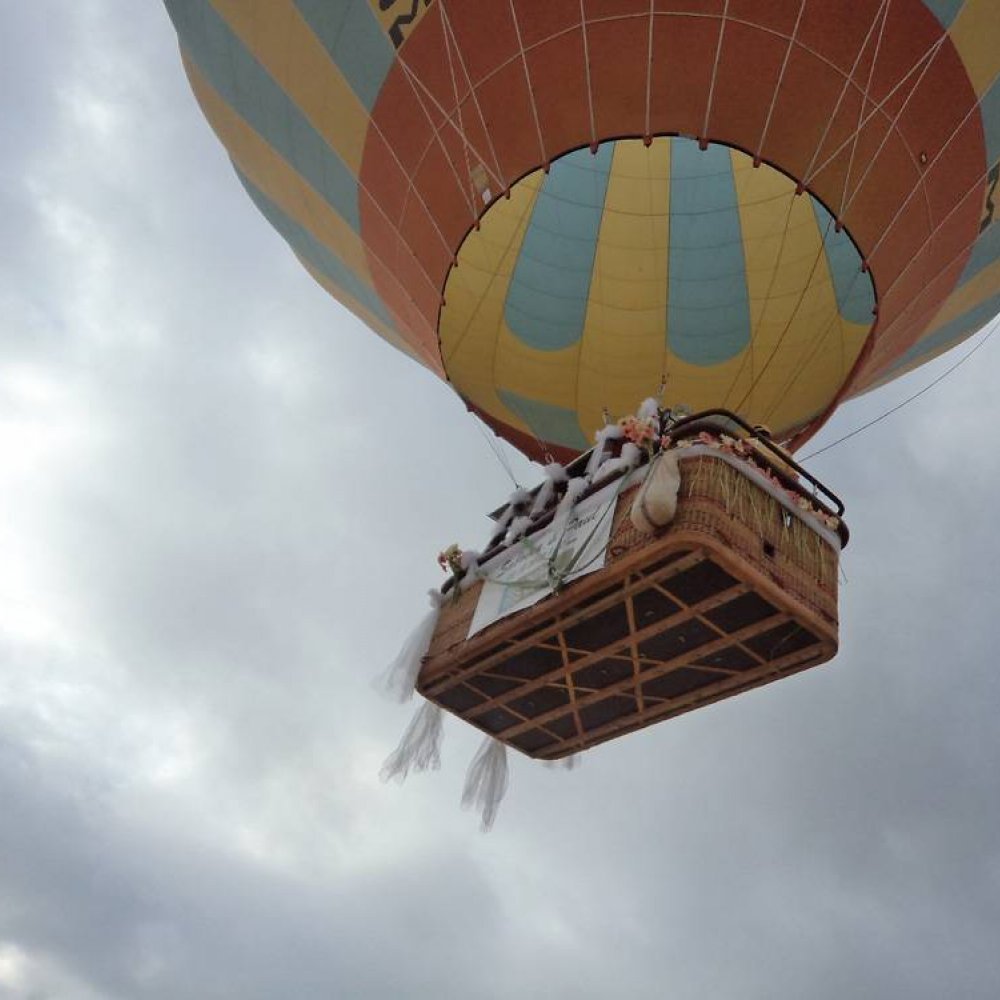
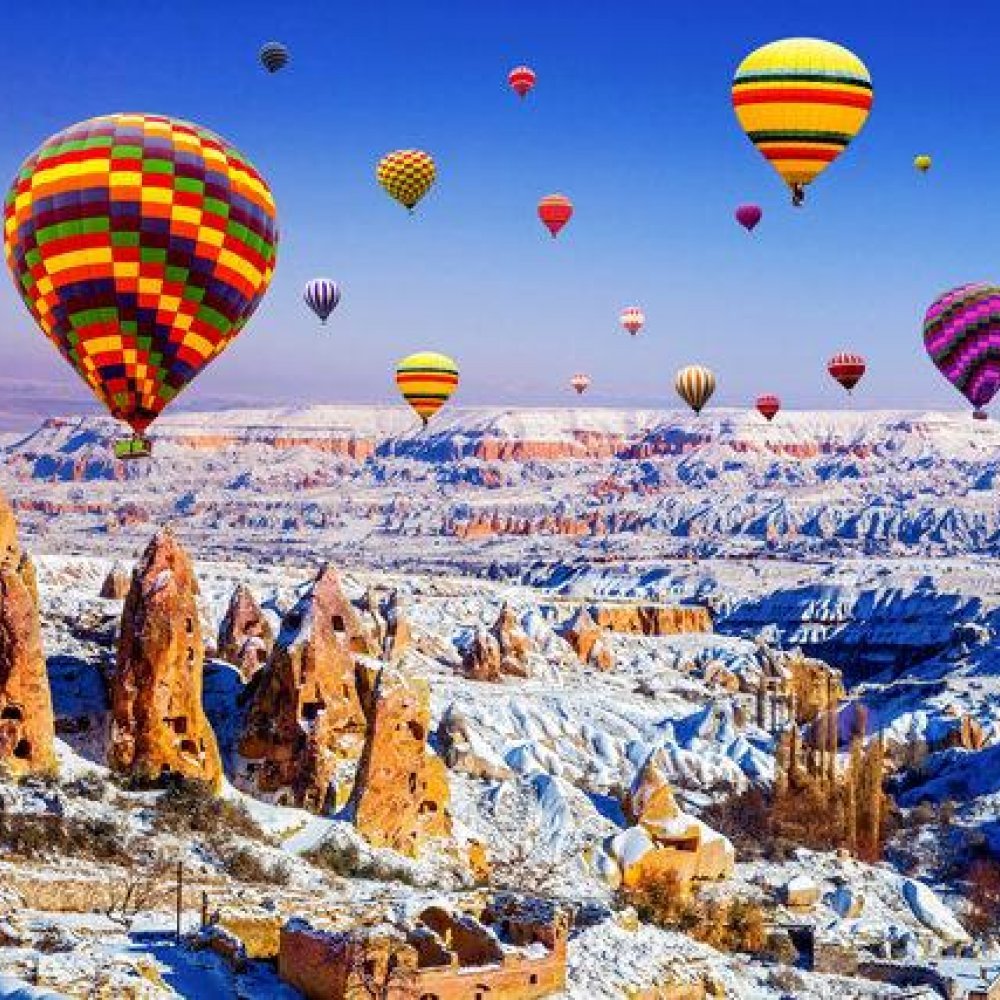
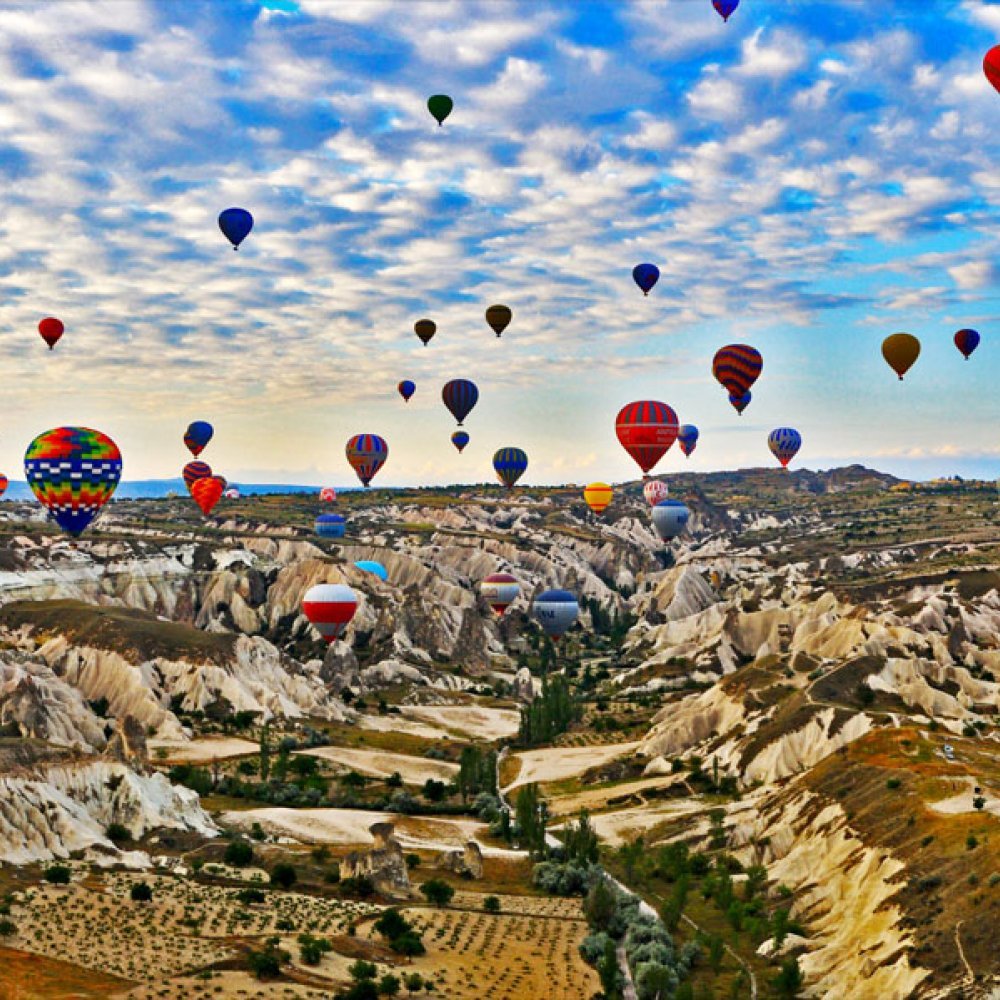
Tour en globo aerostático sobre las chimeneas de hadas de Capadocia
-
Más informaciónTodas las reservas
-
Asistencia 24/7Llame cuando quiera
-
SeguroReserva segura
-
Ofertas especialesOfertas de hasta el 40%
TOUR EN GLOBO
- Traslado gratuito
- Recogida y regreso al hotel en la región de Capadocia
- Duración del Tour en Globo: 1 hora de vuelo en el aire
- duración de la actividad 3 horas
- cesta El seguro de vuelo está incluido en el precio
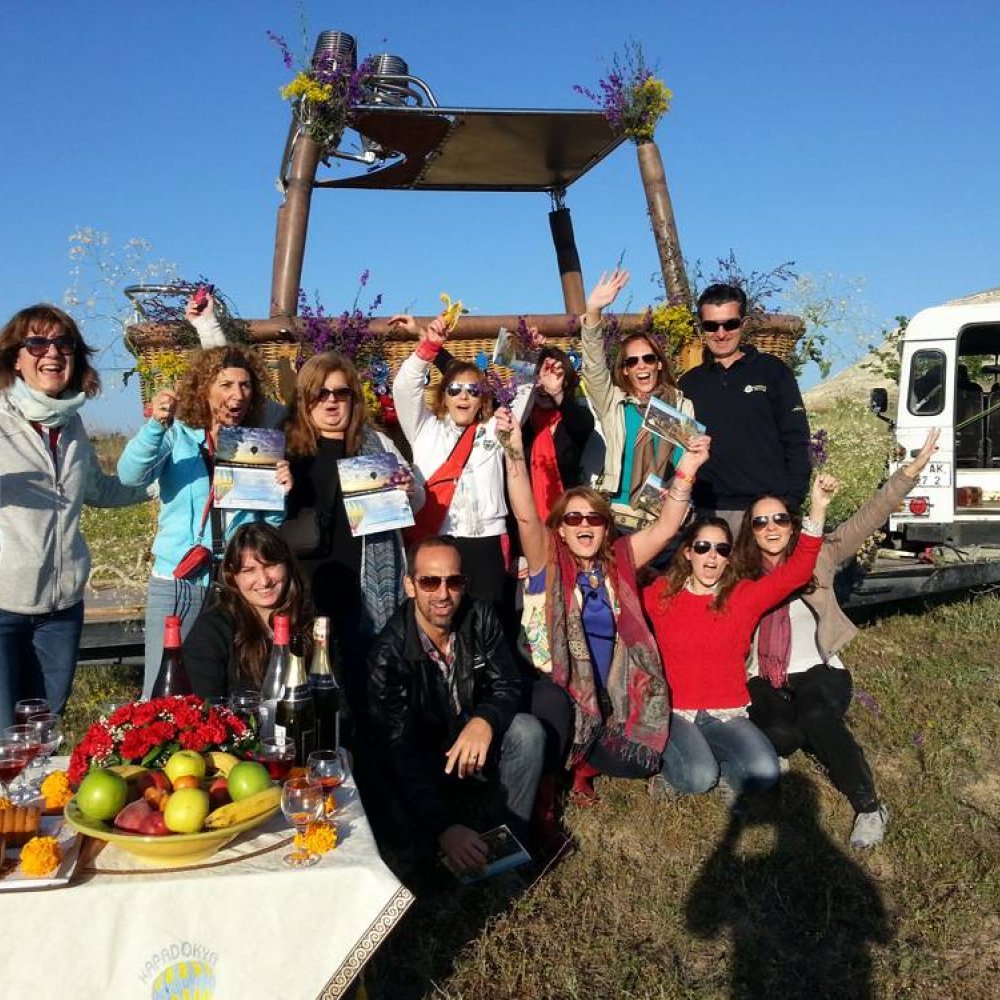
- Celebración al final del vuelo Champán sin alcohol, zumo, pastel
- Su piloto le entregará un Certificado de Vuelo
- Hora de recogida / regreso: Mañana; 4:30 - 7:30. 1 día antes del vuelo le indicamos la hora de recogida en su hotel según su ubicación.
- Los niños a partir de 6 años pueden volar
- Proceso de reserva: tras el pago por adelantado, se confirmará su plaza.
- Nota: Los vuelos están sujetos a las condiciones meteorológicas, una vez al día y al amanecer
- Los vuelos en globo se realizan todos los días cuando las condiciones meteorológicas lo permiten, al amanecer (cuando el tiempo es favorable). (Rara vez se hacen a mediodía, sobre todo en invierno)
- Los precios son por persona. Las tarifas por plaza en el globo son estándar; el precio no varía para estudiantes ni niños.
- Los niños menores de 6 años no pueden participar en el tour en globo.
Tour en globo aerostático sobre las chimeneas de hadas de Capadocia
Cappadocia, the world's best place for a hot air balloon tour, is located in Central Anatolia. The region has its own historical and cultural heritage. During our trip to Cappadocia, we visited many cities that were once inhabited by Christians who had fled from Roman persecution during the 4th century AD. These underground cities are called "Cappadocian Cave Churches".
Los hermosos valles de Capadocia, en Anatolia Central, se sitúan entre 1050 y 1300 metros sobre el nivel del mar.
You will find the beautiful valleys of Cappadocia in Central Anatolia, which vary from 1050 to 1300 meters above sea level. The weather is temperate with hot summers and somewhat mild winters. There are around 250 people living in the area, many of them farmers or shepherds who still use their traditional methods for harvesting wheat and barley by hand in order to keep their identity as an indigenous community. The landscape is mostly made up of soft hills, but there are also some flat areas where you can see old abandoned houses called "cave dwellings", carved into rocks by people thousands of years ago. The local fauna includes foxes and jackals that live in holes that were once inhabited by humans as well as wild boars that roam freely through these ancient lands
Capadocia es una región única y espectacular de Turquía, llena de lugares fascinantes y de un rico patrimonio cultural.
Capadocia es una región única y espectacular de Turquía, llena de lugares fascinantes y de un rico patrimonio cultural.
Es una antigua región de Anatolia central, conocida sobre todo por sus inusuales formaciones geológicas llamadas chimeneas de hadas y por sus ciudades subterráneas. La región también alberga numerosas iglesias, monasterios y viviendas excavadas en la roca blanda de las laderas por los primeros cristianos para esconderse de la persecución durante el Imperio romano.
¡El tour en globo te llevará sobre estos increíbles paisajes con varias paradas para hacer fotos por el camino! Es una de esas experiencias únicas en la vida que no querrás perderte.
Se puede observar que el paisaje de Capadocia, con la ayuda de la Madre Naturaleza, se ha formado a través de numerosas erupciones.
Cappadocia is a region in central Turkey where one can observe that the landscape of Cappadocia with the help of Mother Nature has been created through many eruptions. Volcanic eruptions, erosion caused by wind, rain and soil erosion as well as sedimentation have changed this unique landscape into what we see today. Wind erosion is a weathering process that occurs when particles within an air flow collide with solid surfaces like rocks or soil particles at high speeds causing them to erode away gradually over time if there are no barriers present that would prevent this from happening in certain areas such as sand dunes - which will build up but eventually be blown away too!
Rainwater can also cause erosion due to its ability to wash away loose material such as sand grains while ice melts during warm seasons leaving behind exposed bedrock underneath so there will always be some type of natural forces at play which shape any given environment according to their own criteria when left alone long enough without interference from humans or other living creatures (except maybe insects!).
Inicialmente, los hititas llamaron a la región "Katpatuka", que significa "la tierra de los hermosos caballos".
Los hititas llamaban a la región "Katpatuka", que significa "la tierra de los hermosos caballos".
Es una región única y espectacular de Turquía, llena de lugares fascinantes y con un rico patrimonio cultural.
La primera mención de Capadocia se encuentra en una carta del rey hitita Muwatalli II al rey Tudhaliya III (Suppiluliuma II).
La primera mención de Capadocia se encuentra en una carta del rey hitita Muwatalli II a
Rey Tudhaliya III (Suppiluliuma II). En esta carta, Muwatalli escribe sobre el clima y los recursos naturales del país.
En las inscripciones persa-arameas, el nombre "Katpatuka" aparecía como "Kapudukaya".
En las inscripciones persas-arameas, el nombre "Katpatuka" se introdujo como "Kapudukaya". La palabra capadocio deriva de la palabra griega Kappadokia, que significa “Tierra de los Hermosos Caballos”.
Se cree que el nombre proviene de una leyenda sobre un hombre llamado Kappadokos que vivió aquí y tuvo dos hijas con alas. Solían volar por los alrededores y cantar maravillosamente como ángeles. En algunas versiones de esta leyenda eran hadas o espíritus que ayudaban a los necesitados; otras versiones dicen que eran brujas que traían enfermedad y muerte a quienes las rodeaban.
Según algunas teorías, el nombre deriva de esta palabra.
Según algunas teorías, el nombre deriva de esta palabra. El nombre se utiliza desde la época del Imperio otomano. Según algunas teorías, el nombre deriva de esta palabra. El nombre se utiliza desde la época del Imperio otomano.
Algunos geógrafos creen que "Capadocia" deriva de "la tierra sobre la tierra", mientras que otros creen que deriva de "la tierra más allá de los montes Tauro".
Some geographers believe that “Kapadokya” is derived from “the land above earth”, while others believe that it is derived from “the land beyond the Taurus Mountains”. During the first centuries AD, this area was ruled by the Hittite Empire. In 676 BC, Kapadokya was conquered by the Lydian king Sadyattes. Later on, after Alexander III's conquest of Asia Minor and Pamphylia in 334 BC, Cappadocia became part of Europe's Hellenistic empire. In 42 BC, Herodotus stated that all horses born in this region were trained at birth to move backwards to make use of a type of reverse gear when moving uphill on hillsides with an incline steeper than 30 degrees (i.e., a standard gradient for trolley cars). The claim has been dismissed by modern researchers as false because no such evidence exists; however some still think that it may be possible based on anecdotal evidence from travelers who have visited this region's villages--which often overlooked such attempts due to their lacklustre nature compared with other more interesting sights found elsewhere throughout Turkey's Anatolian region."
Los primeros cristianos que llegaron a Capadocia descubrieron que había montañas volcánicas y rocas que les ofrecían una gran protección frente a sus enemigos.
The first Christians who arrived in Cappadocia found out that there were volcanic mountains and rocks providing great protection against their enemies. They occupied these areas, while they were being persecuted by the Romans. These Christians were forced to live in caves because they had no other place to go, but they survived by eating wild plants and animals. These Christians made their homes underground so that their enemies could not find them easily. There are many underground cities in Cappadocia today; some of them have been destroyed but others are still standing strong after thousands of years!
Comenzaron a excavar ciudades subterráneas y a esconderse para salvarse.
The underground cities were used for many purposes. They were built to protect the people from their enemies, as well as churches and storage areas. These subterranean structures served as homes for the people living there, but they also had other uses too. Some people would use them to hide when there was danger outside of their city and others would stay in them while they were sleeping or resting during the day.
Un paseo en globo aerostático puede ser una experiencia inolvidable en su vida.
Haz un tour en globo aerostático sobre las chimeneas de hadas de Capadocia, Turquía. Es una experiencia inolvidable en tu vida.
- Contemple el paisaje desde otra perspectiva.
- Alójese en un hotel con vistas a las chimeneas de hadas y otras bellezas de Capadocia, Turquía.
- Prueba la comida local y compra recuerdos.
- ¡Visita lugares históricos como ciudades subterráneas e iglesias excavadas en la roca por los primeros cristianos para escapar de la persecución de los romanos durante la época romana!
Tour en globo aerostático sobre las chimeneas de hadas de Capadocia
Si quieres vivir el mejor vuelo en globo de Capadocia, ¡contáctanos!
-
 Amazing experience! Flight was delayed for an hour but tour managed to coordinate with my airport transfer for a seamless experience!
-
 Good experience but they didn’t fly over city and moreover they took off after sun rise so it diluted our experience. We were expecting to see the sun rise from balloon and wish to watch Pre sunrise and post sun rise view from Balloon. So overall ok ok experience.
-
 It was great experience with hot air balloon tour. Nice hospitality and very well managed
-
 Everything was timely and perfect. The flight was excellent. I will definitely recommend my friends.
-
 The balloon ride was smooth, view awesome and great experience. The ride was worth every penny.
-
The team was awesome. Pick up was good and the ride itself was amazing! Would recommend
-
Our ride got cancelled due to bad weather. The team is very responsive.
-
 Gran experiencia, ver volar más de 200 globos
-
¡Una experiencia fantástica! Quedamos muy satisfechos.
-
 Fue una actividad bonita. Precio asequible.
-
 Fue una buena experiencia. El personal fue muy amable.
-
 Bien organizado. El guía tenía muchos conocimientos.
-
 ¡Una experiencia fantástica! Quedamos muy satisfechos.
-
 ¡Perfecto! Todo estuvo genial.